

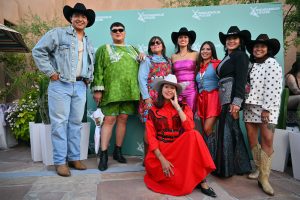

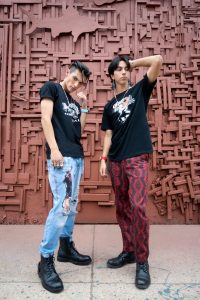
Every August, there is a stretch of road at Crow Agency, Montana, that transforms into a cultural and traditional runway.
The 107th Crow Fair ran August 12 through 17, and as it has since 1904, the whole thing turned on the parade. A mile of horses and riders moving through the largest tipi encampment in the country, out toward the fairgrounds, and every last inch of it adorned and dressed. This is the event people mean when they call something the greatest fashion show in Indian Country, and every year it earns the title again.
We ran this story last year because photographer Eve Fisher sent us her frames from the parade and they stopped us cold. She sent them again this year, and we had to do another recap. Here’s what she brought back.
The horse is part of the outfit
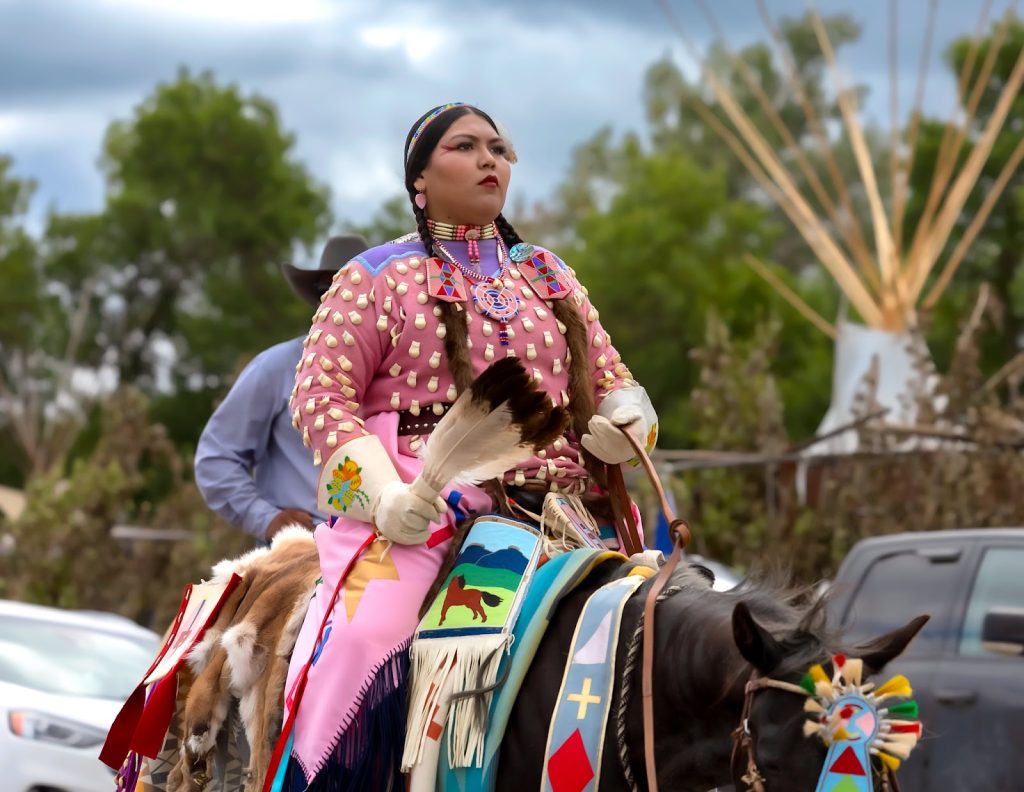
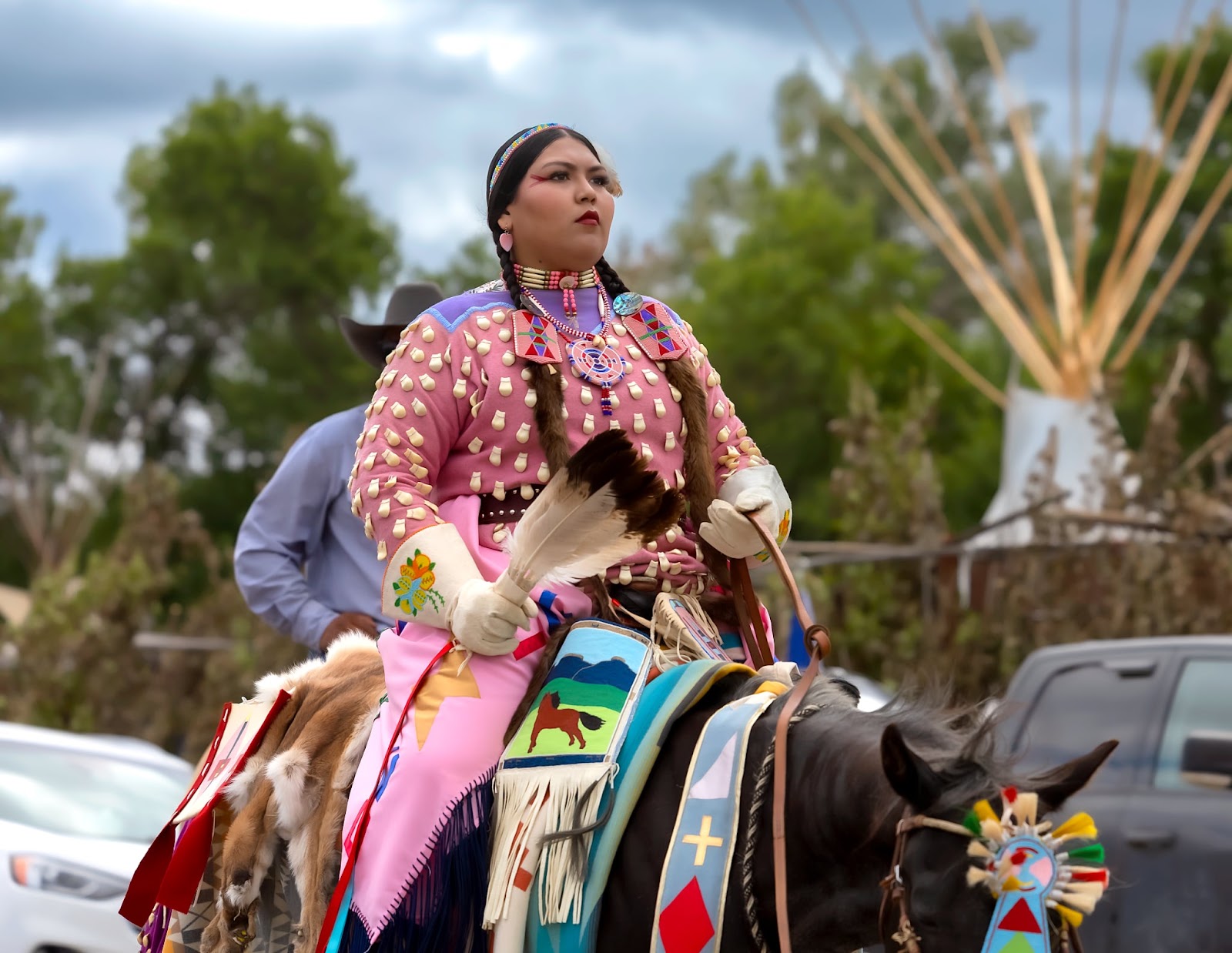
If you have never seen it, the thing that takes a beat to register is that the rider and the horse are one look.
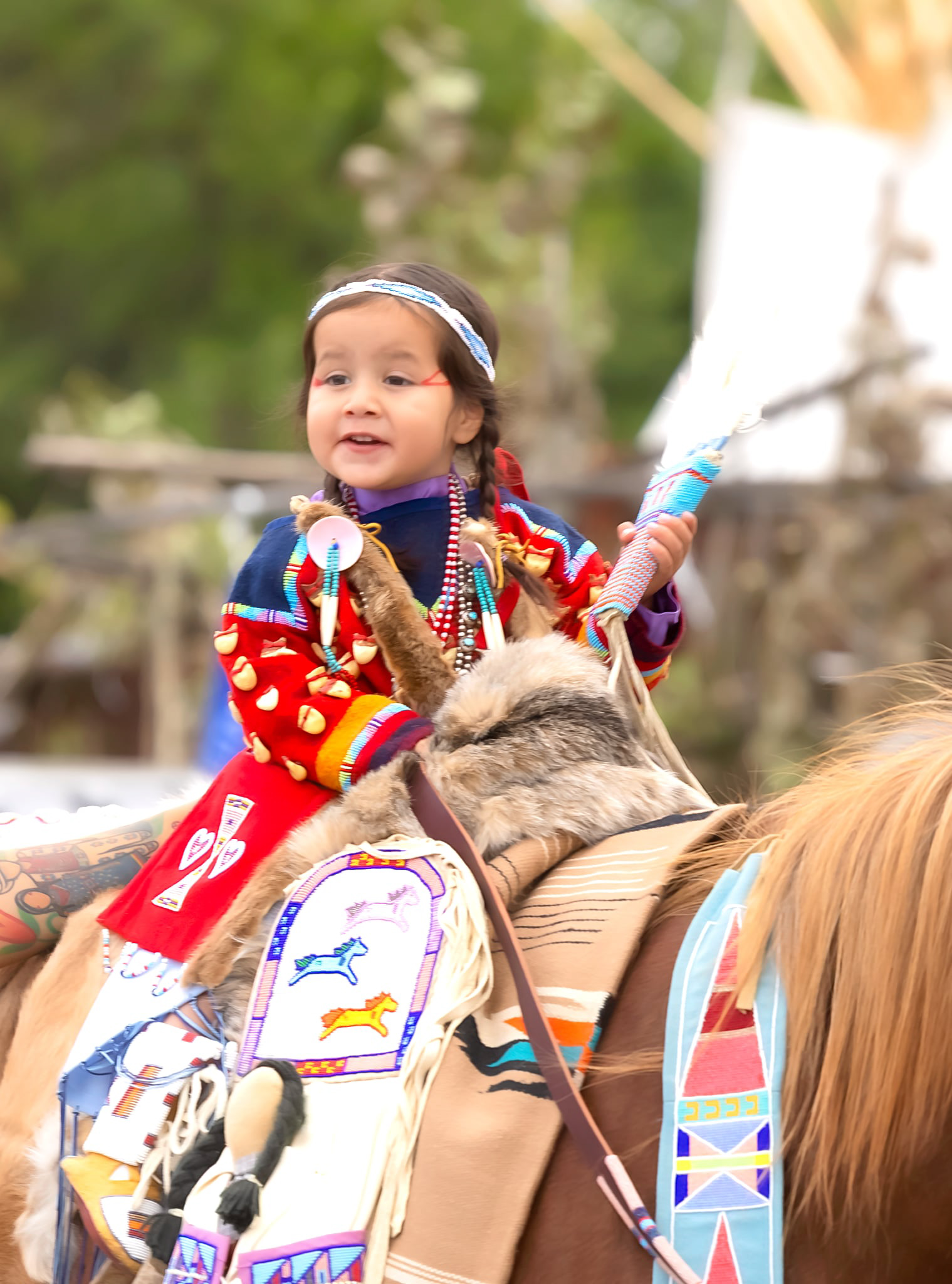
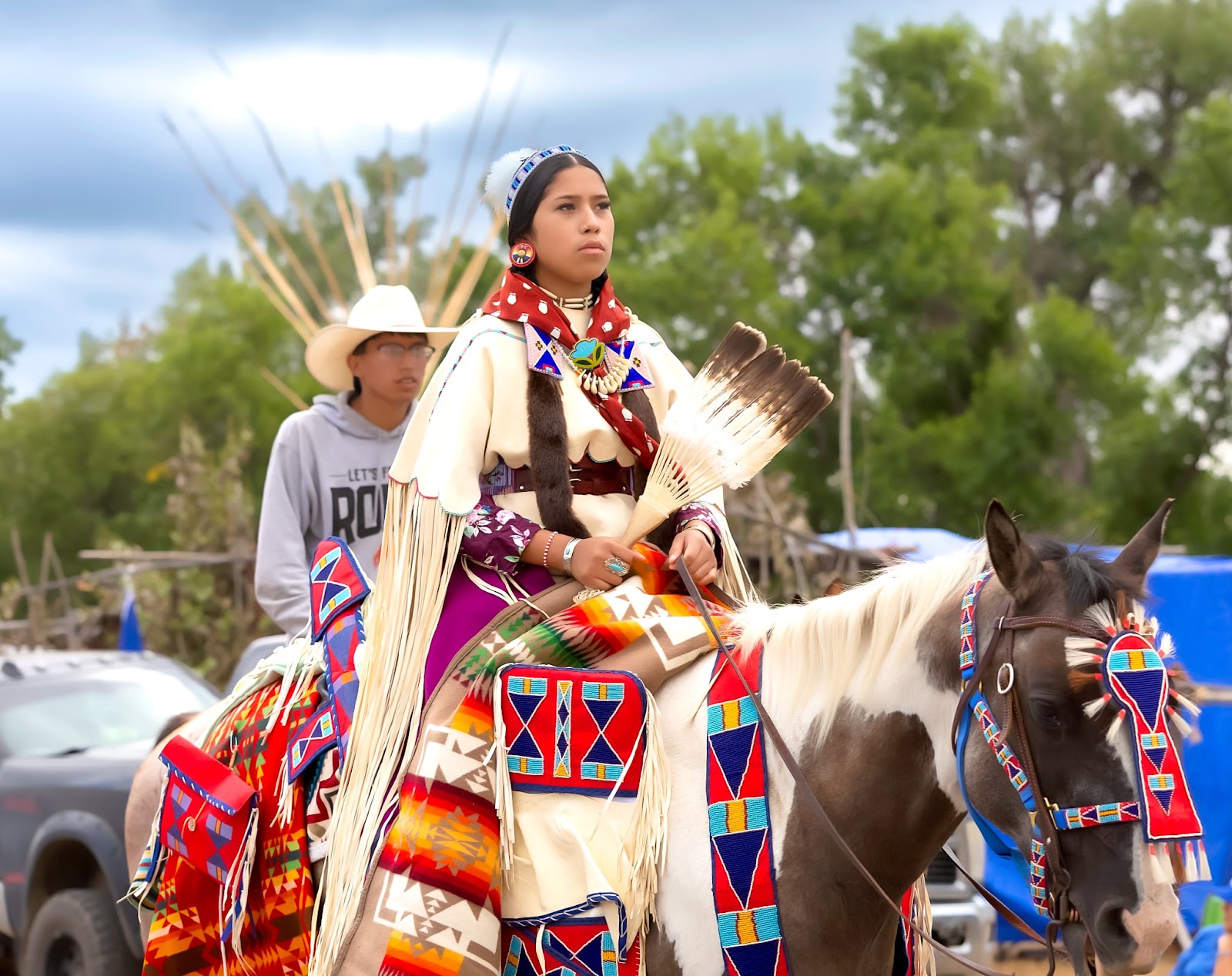
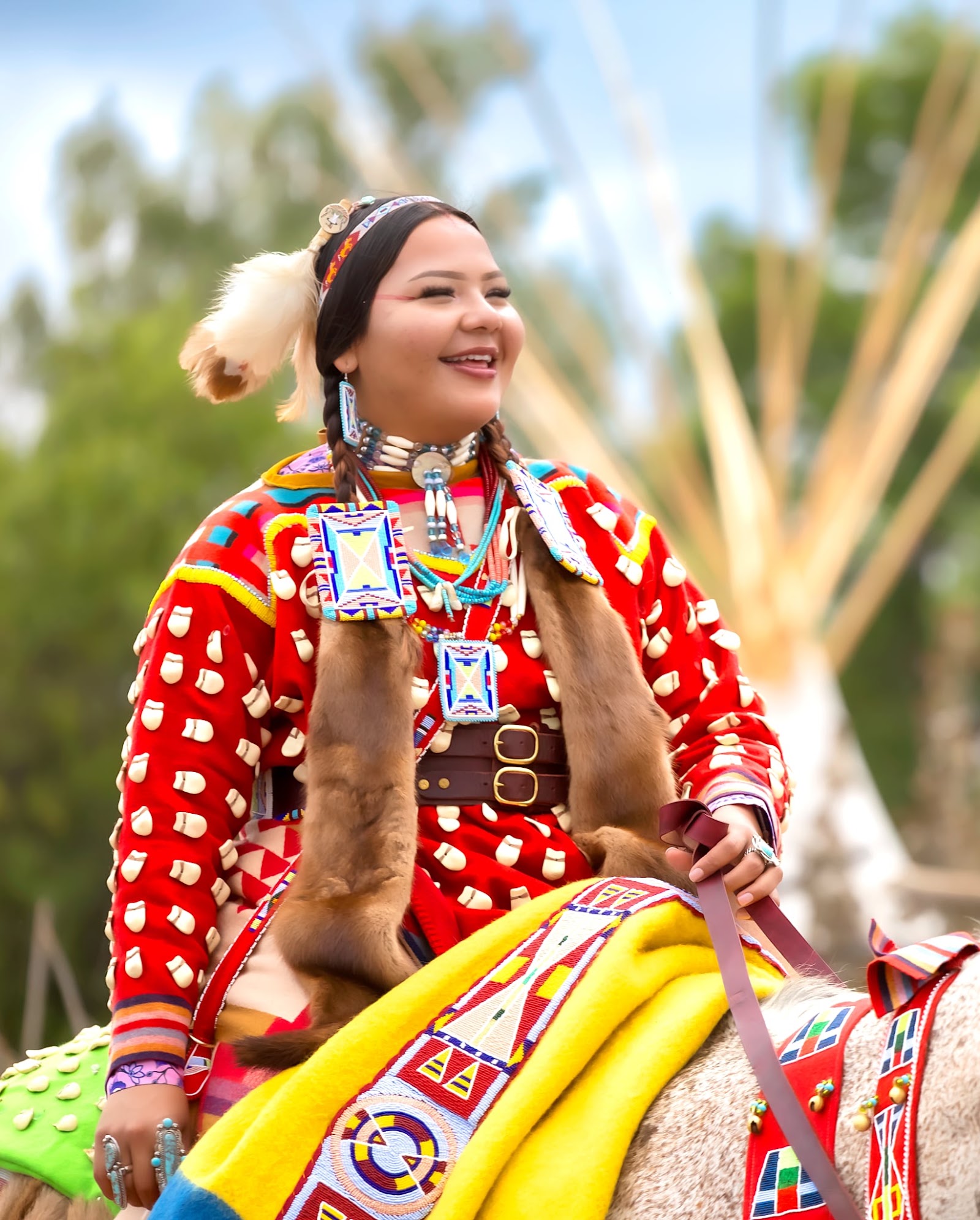
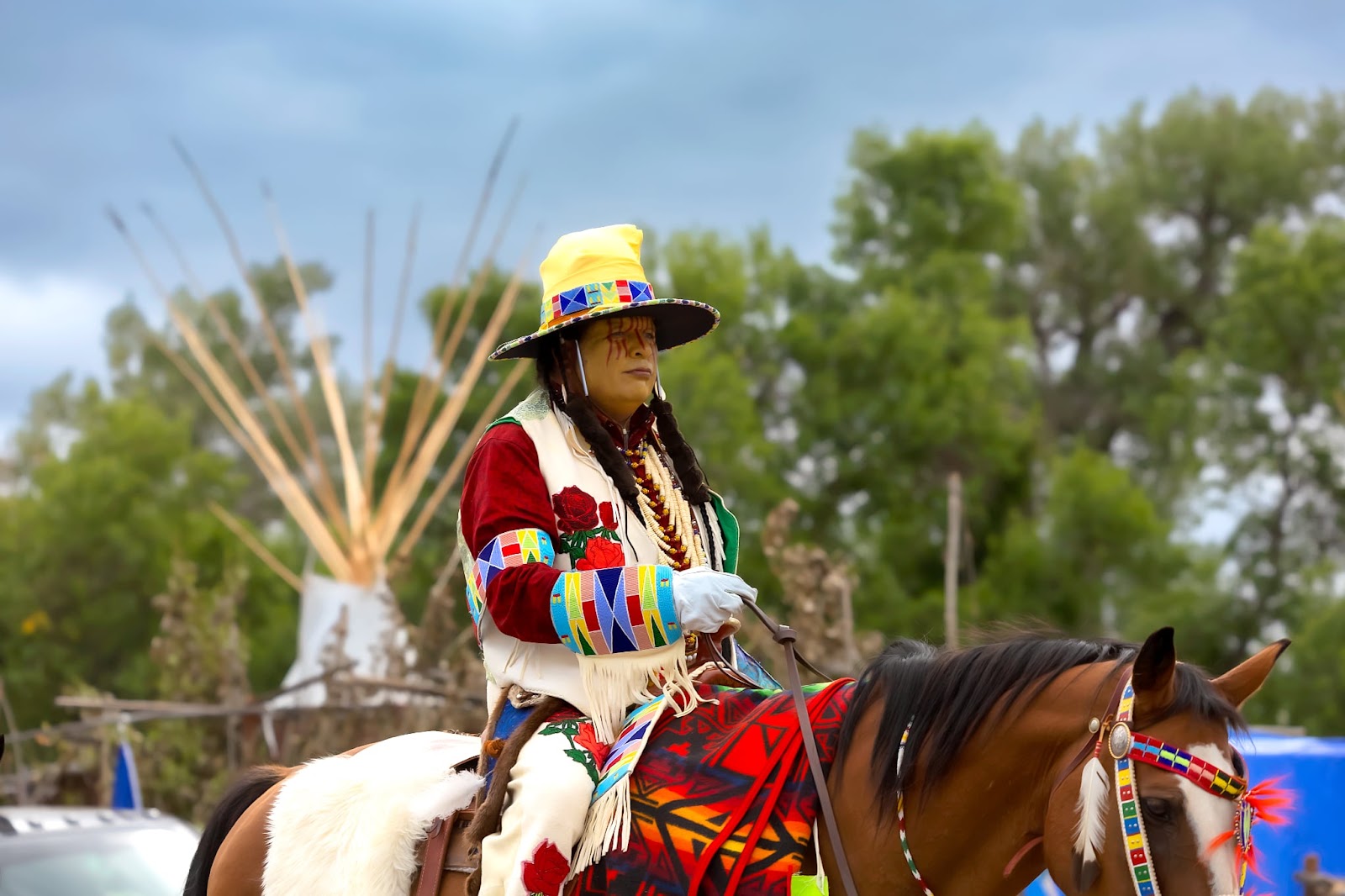
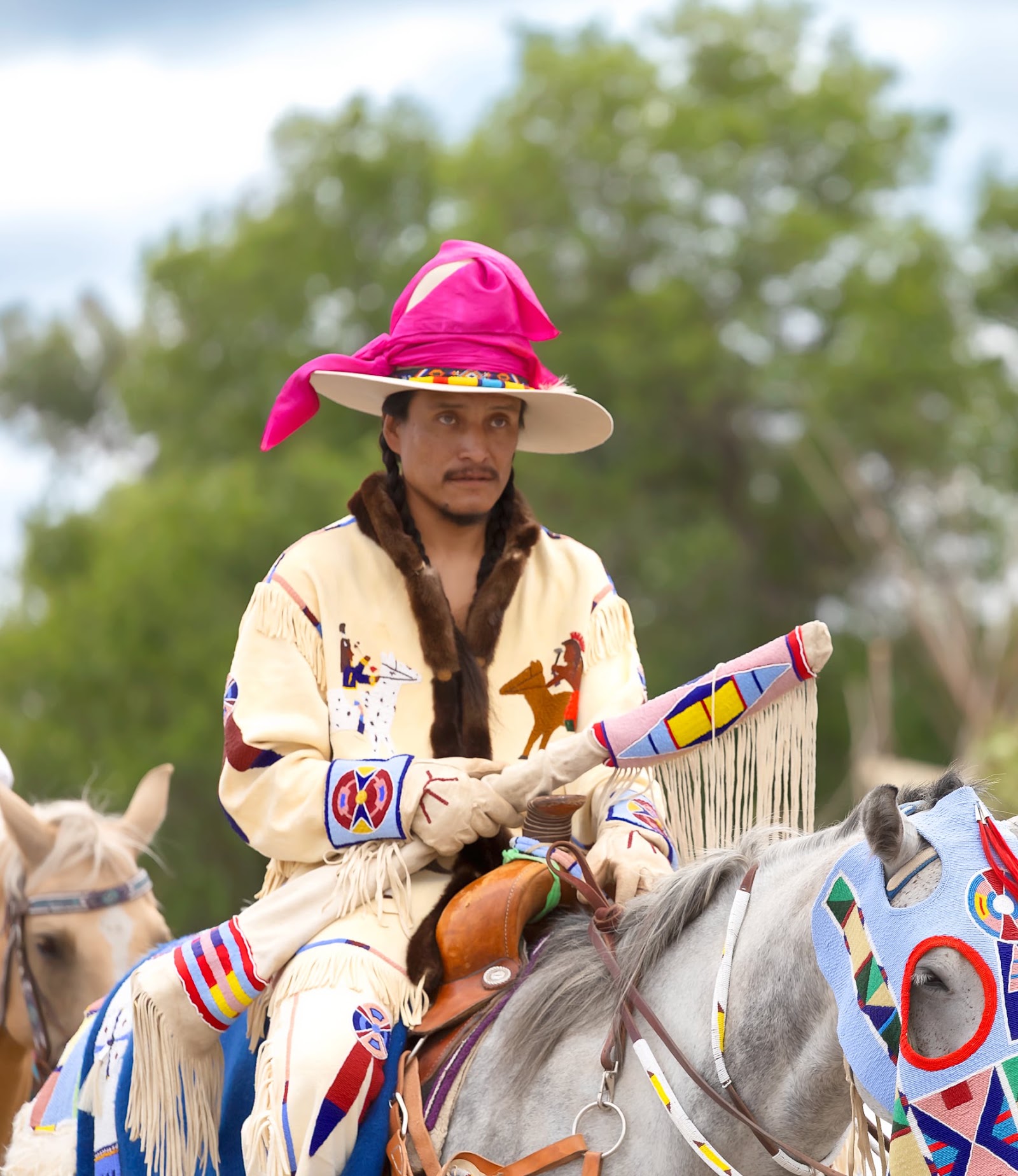
Beaded martingales, saddle blankets, cruppers and bridles come out matched to the rider’s dress, the same palette, often the same motifs, worked by the same hands. A blue-and-white beaded panel across a horse’s chest is not an accessory; it’s the other half of the rider’s outfit, and it represents its own stack of hours on top of everything the rider is wearing.
Elk tooth dresses in cream and tan hide, floral beadwork on deep red and pink wool, breastplates, high-crowned hats banded in silver, dentalium and bone. Apsáalooke design has a look you can identify across a field, and Crow Fair is where a year of work gets to be seen.
These are family projects
Nothing in this parade is bought the week before.
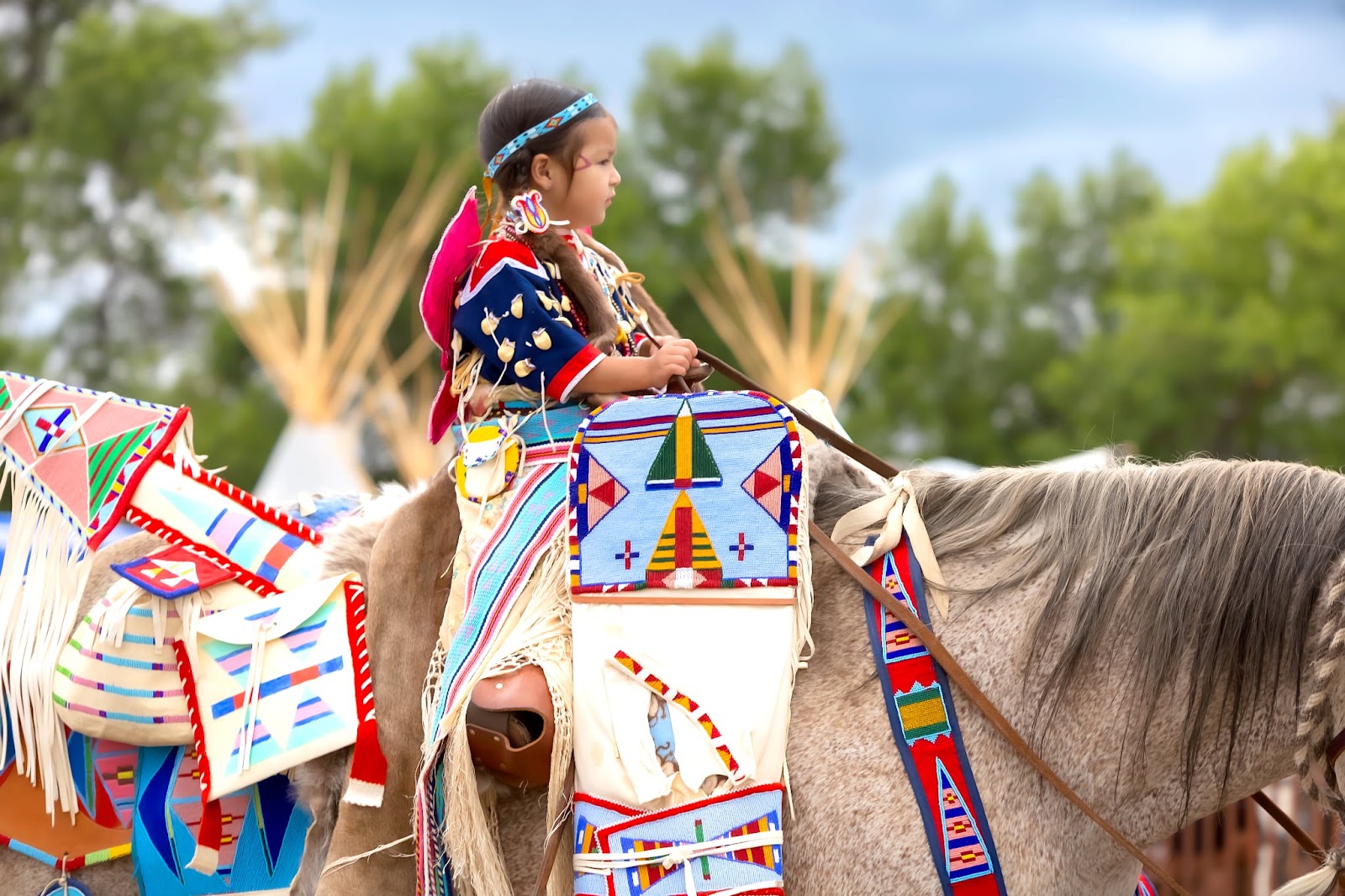
Families plan these sets across a whole year, with mothers, aunties and grandmothers beading, trading patterns, and finishing someone’s cuffs at midnight so the set is complete by the next morning. Sets are built to match across generations: a woman in full floral regalia rides in front, and behind her a toddler in the same colorway sits on a horse of her own.
That’s the part the runway comparison always misses. This isn’t a designer’s collection worn by models. It’s a whole family showing up together in work they made for each other, on horses they raised, on land that is theirs. It’s a testament to the care, love, and support they have for their heritage and homelands.
The riders are wearing this year’s work, made by people whose names everyone in the crowd already knows.
Old and new, in the same frame
Tradition here is not a museum setting, and the parade proves it every year.
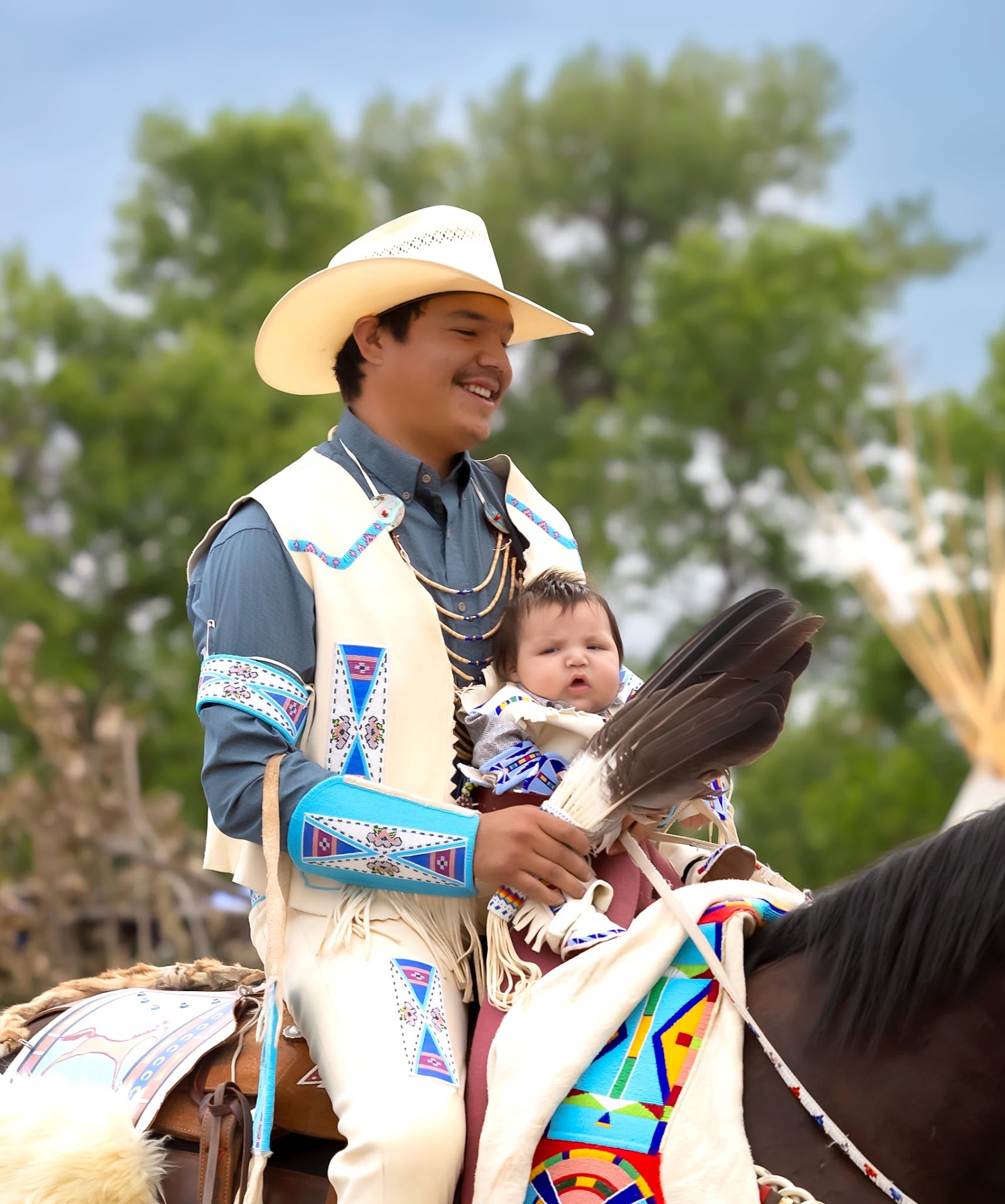
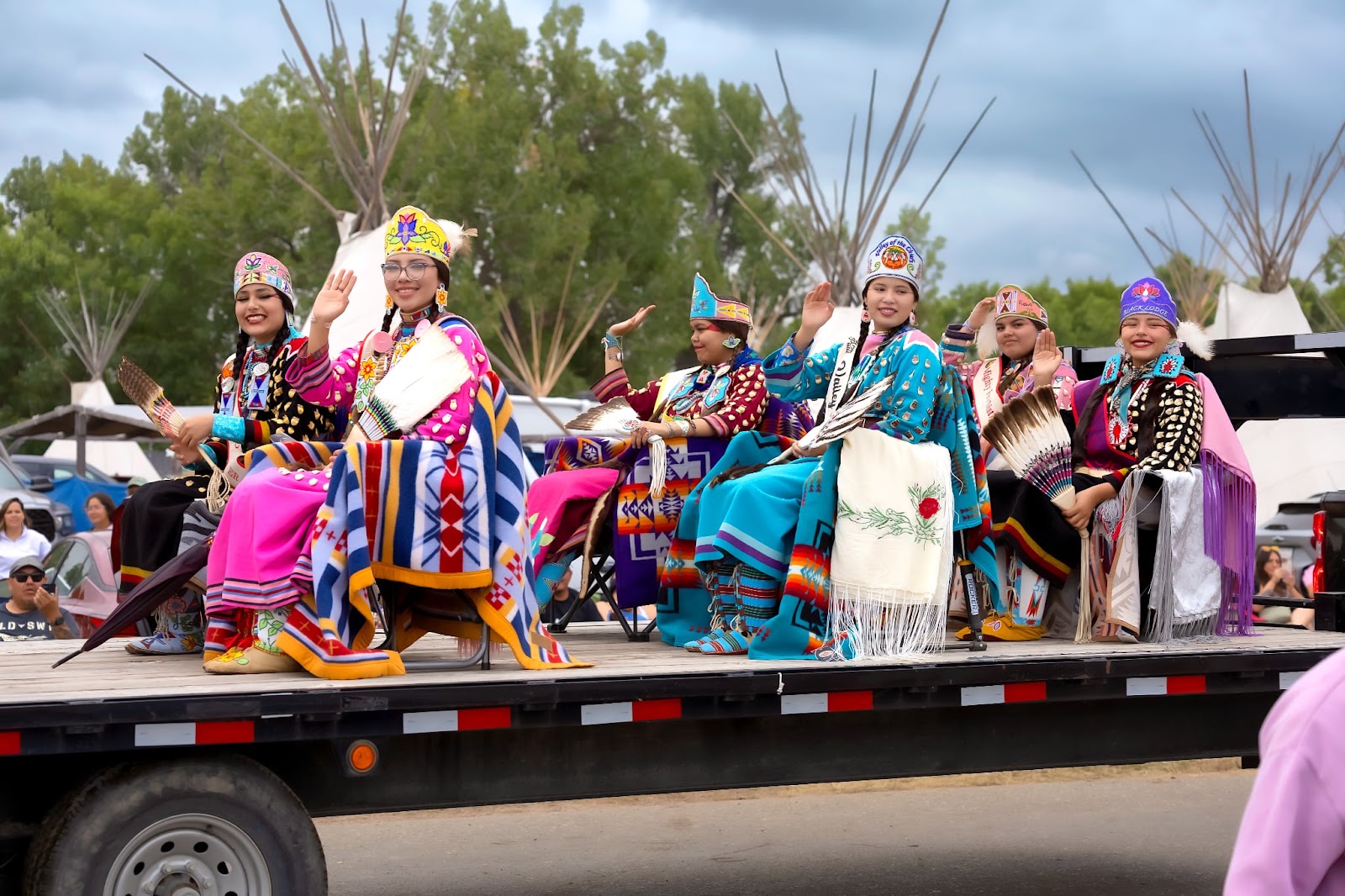
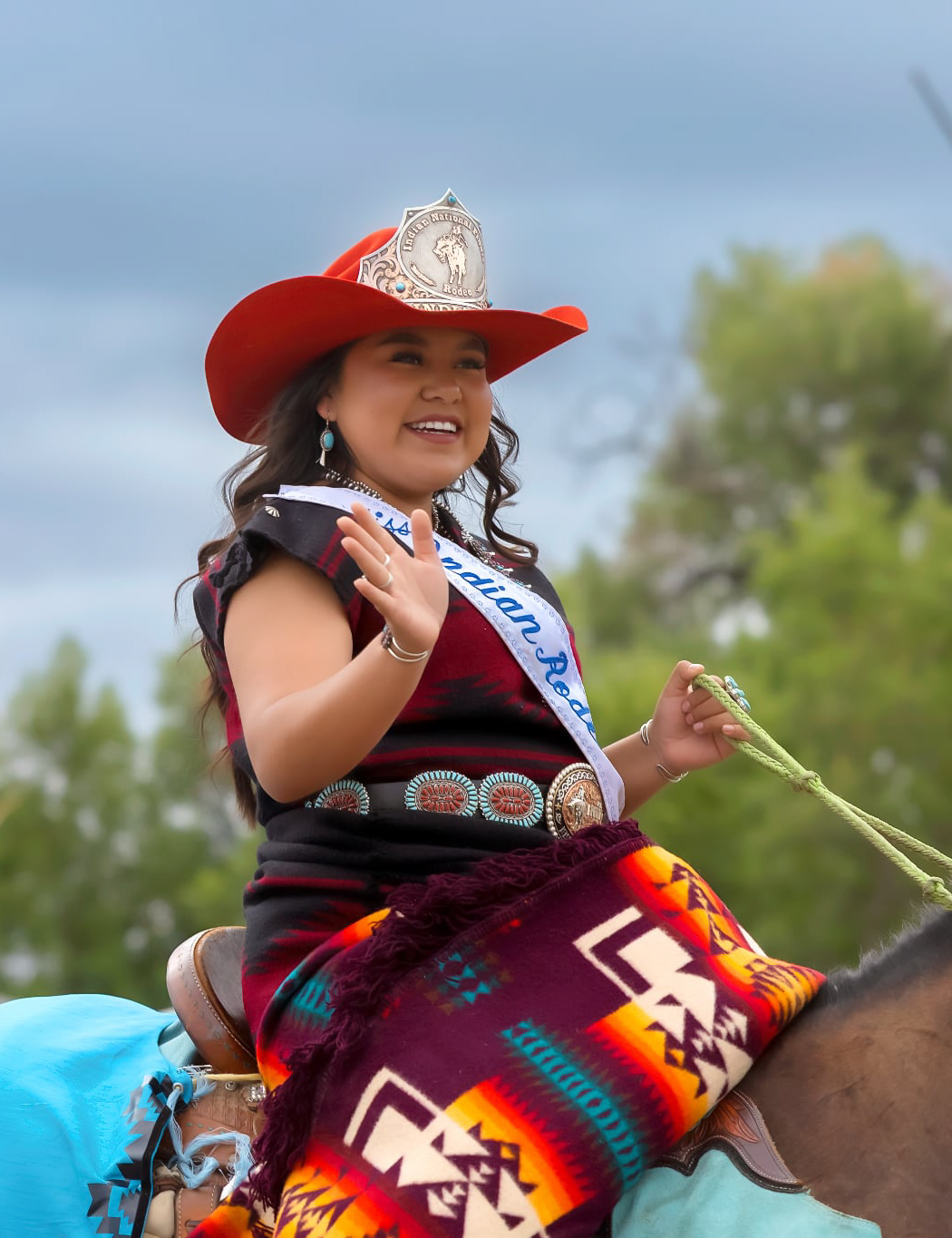
Hot pink felt cowboy hats next to hundred-year-old beadwork layouts and contemporary fabrics featuring floral designs. Sunglasses, ribbon skirts, a rodeo titleholder in a red hat and a crown, waving from the saddle with her sash across her chest. Fathers riding with babies held against beaded vests. Teenagers with beadwork their grandmothers taught them to do. It’s what a living design tradition actually looks like, held to and moved forward by the same people at the same time.
Why we keep covering it
Native Max exists because Native fashion is not a trend cycle, and Crow Fair is the clearest annual proof of it. There are no invitations, seating chart, or press riser. There is a road, a crowd, and a community that has been putting on the best-dressed morning on the Northern Plains for over a century. For a magazine like Native Max, the Crow Fair Parade is the clearest look we get at where tradition and identity actually meet. It’s a story told in beads, hide, and horsehair, one that carries the resilience, the humor, and the pride of the Apsáalooke people, not just a display of beautiful clothing.
The takeaway from Crow Fair Parade: Native fashion isn’t preserved here; it’s practiced. Much appreciation to the Apsáalooke Nation, to every family who beaded through the winter for this, and to Eve Fisher for the frames.
See you next August.
The 107th Crow Fair Parade
Photos by Eve Fisher.