




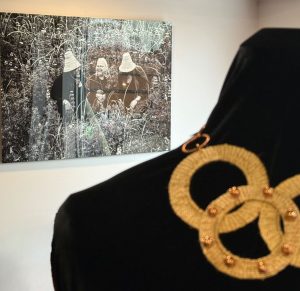



There is a version of California wine history most people know. It begins with the missions and European vines; a narrative shaped by colonization but falsely framed as innovation.
Then there is the truth: one that has lived in the margins, carried through generations, and spoken quietly, if at all.
Long before California became a global wine capital, Indigenous people were the labor force behind its first vineyards. They planted, harvested, and fermented the earliest wines of Alta California; not by choice, but through forced labor within the mission system. Their contributions, foundational and undeniable, were never at the center of the story.
Native Hands Wine exists to change that.
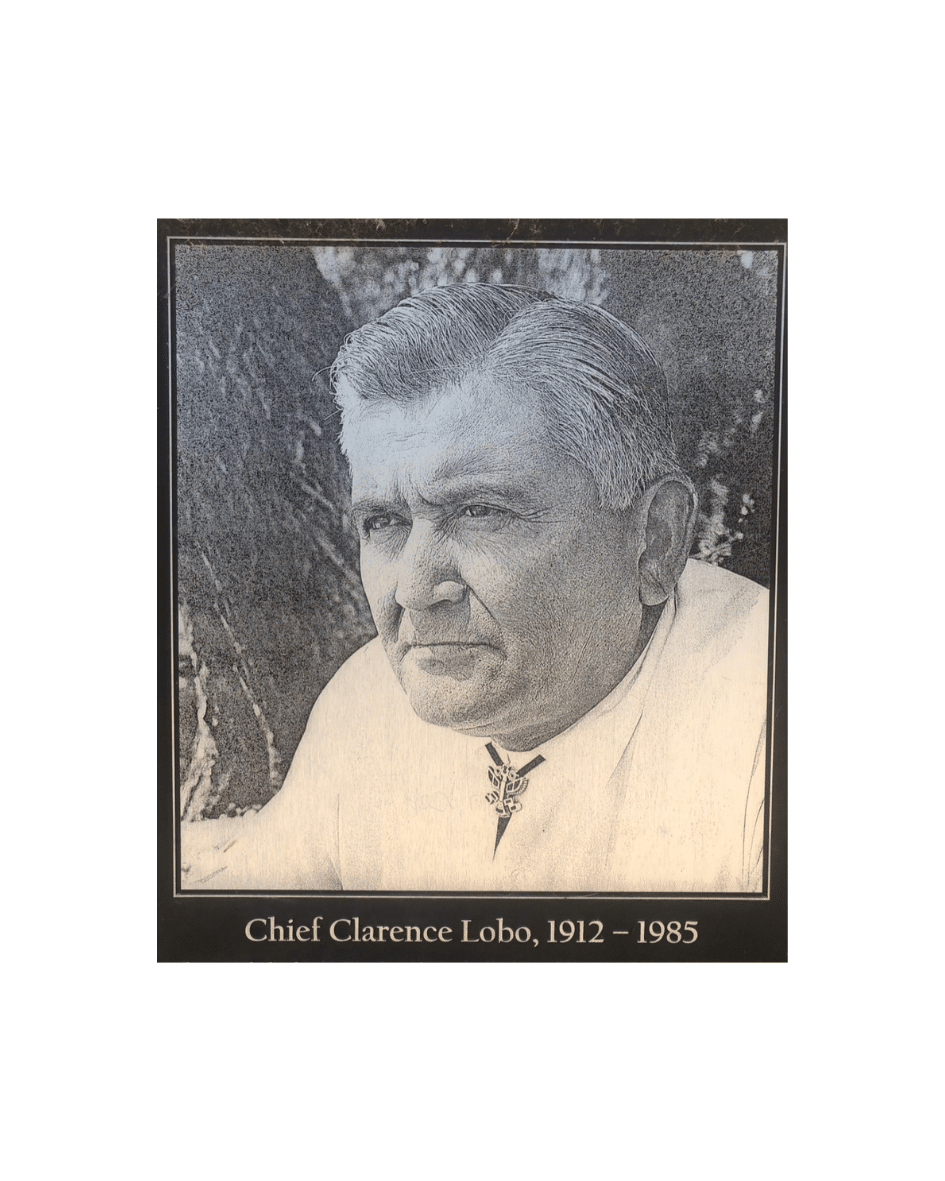
Founded by Chris A. Lobo, a 9th-generation Mission Indian with ancestral ties to the Juaneño, Luiseño, and Diegueño peoples, the brand is more than a wine label; it is reclamation and correction, a message carried through land, lineage, and time.

A Life Aligned
For much of his life, Lobo moved between two worlds.
A professional career in the wine industry, where he spent nearly four decades building expertise across every level, from hospitality to operations; another grounded in his tribal identity, family history, and community leadership.
For years, those paths ran parallel but separate.
“Today, my worlds are aligned,” Lobo shares. “I feel beyond fortunate to be able to walk on a single path… delivering the message about our people, region, and historic contributions to viticulture.”
That alignment is the foundation of Native Hands Wine, a project that merges lived experience with responsibility.

Land First. Always.
At the core of Native Hands Wine is a philosophy both ancient and deliberate: the land comes first.
“She provides for us the regions, microclimates, soils, and vineyards,” Lobo explains. “These combinations select us, not the other way around.”
It’s an approach rooted in non-intervention, minimal interference, no additives, and no manipulation. A method that mirrors how his ancestors made wine centuries ago.
But beyond technique, there is something deeper at play. Lobo doesn’t position himself as the creator of the story. He is the messenger.
Each bottle becomes a vessel, expressing history through carefully researched labels, many of which depict ceremonies, villages, and moments that date back thousands of years. Some draw directly from his own family archives. Others reflect shared histories across coastal nations.
“These are not just pretty labels,” he says. “They are depictions of a way of life.”

Reclaiming the Narrative
The omission of Indigenous contributions to California wine is not accidental; it’s structural.
“The first winemakers did not have a choice,” Lobo says plainly. “They were forced to make wine under the mission system.”
Every one of California’s twenty-one missions was built on existing tribal villages. Indigenous people became agricultural experts; seed keepers, cultivators, and stewards of new crops introduced through colonization. At Mission San Juan Capistrano, the first sustainable vineyard in Alta California produced wine for over fifty years.
And yet, that history has been largely erased.
With Native Hands Wine, Lobo is not offering a reinterpretation; he is presenting documented truth.
“The foundation of this project is that California’s viticulture history starts with Indigenous people… and should be recognized as the first winemakers.”

In its first year, Native Hands Wine reached thousands across Southern California, through tastings, dinners, and gatherings that blend wine with education, culture, and story.
Wine as Cultural Preservation
In its first year alone, Native Hands Wine reached thousands through tastings, dinners, and events across Southern California, from intimate gatherings to large-scale audiences.
But the product is only one part of the experience.
Every label, every story, every presentation becomes a moment of education.
“I 100% believe this is both cultural preservation and education,” Lobo says.
Through wine, he can speak about ceremonies no longer practiced, villages that once thrived, and histories that have long been overlooked. The act of pouring a glass becomes an invitation to listen, learn, and reconsider what we think we know.

Navigating Tension, Building Truth
Building a Native-owned wine brand in California comes with its share of complexity.
Some of the barriers, Lobo says, were internal: questions about alcohol in Native communities, about monetizing culture, about navigating colonial history with integrity.
Others were external.
In some spaces, he still encounters skepticism and judgments based on appearance, assumptions about identity, and resistance to the history he presents. His response is measured, intentional.
He often shares a photo of his parents’ hands; his father’s darker, his mother’s lighter, honoring both sides of his lineage while quietly dismantling misconceptions.
“It’s a way to bring understanding into the room,” he says.

A Different California Story
California wine is often romanticized: rolling hills, golden light, curated experiences with the salty smell of the ocean in the background. Native Hands Wine offers something else entirely.
A deeper connection to place. A truth rooted in land that predates the industry itself, with a narrative that acknowledges both beauty and complexity.
“This is a calling,” Lobo says. “To be a messenger for my family, my people, and other nations.”
The wines themselves, sourced from regions like Paso Robles, San Luis Obispo, and Santa Barbara, stand firmly within the world of premium California wine. But what sets them apart is not just quality; it’s context.

Native Hands Grenache Rosé, Village of Roses (Ushmai), is inspired by an ancestral village once located along the border of Juaneño and Luiseño territories. Known as the “village of wild roses,” Ushmai carries a history rooted in land, memory, and generations of connection dating back to the early 1700s. Photo: 82 Visuals.
A Legacy Still Being Written
For Lobo, this work is not about the present moment alone. He thinks in generations: 50, 100 years at a time.
In just over two centuries, the story of California’s first winemakers has already been obscured. Native Hands Wine is an effort to ensure it is never lost again.
“This all starts with messaging, education, documentation, and archiving,” he says.
The goal is clear: to make this history undeniable. To embed it into the broader narrative of California viticulture. To ensure that future generations, Native and non-Native alike, understand where it truly began.
Raising a Glass
When Lobo lifts a glass of his own wine, the moment carries weight.
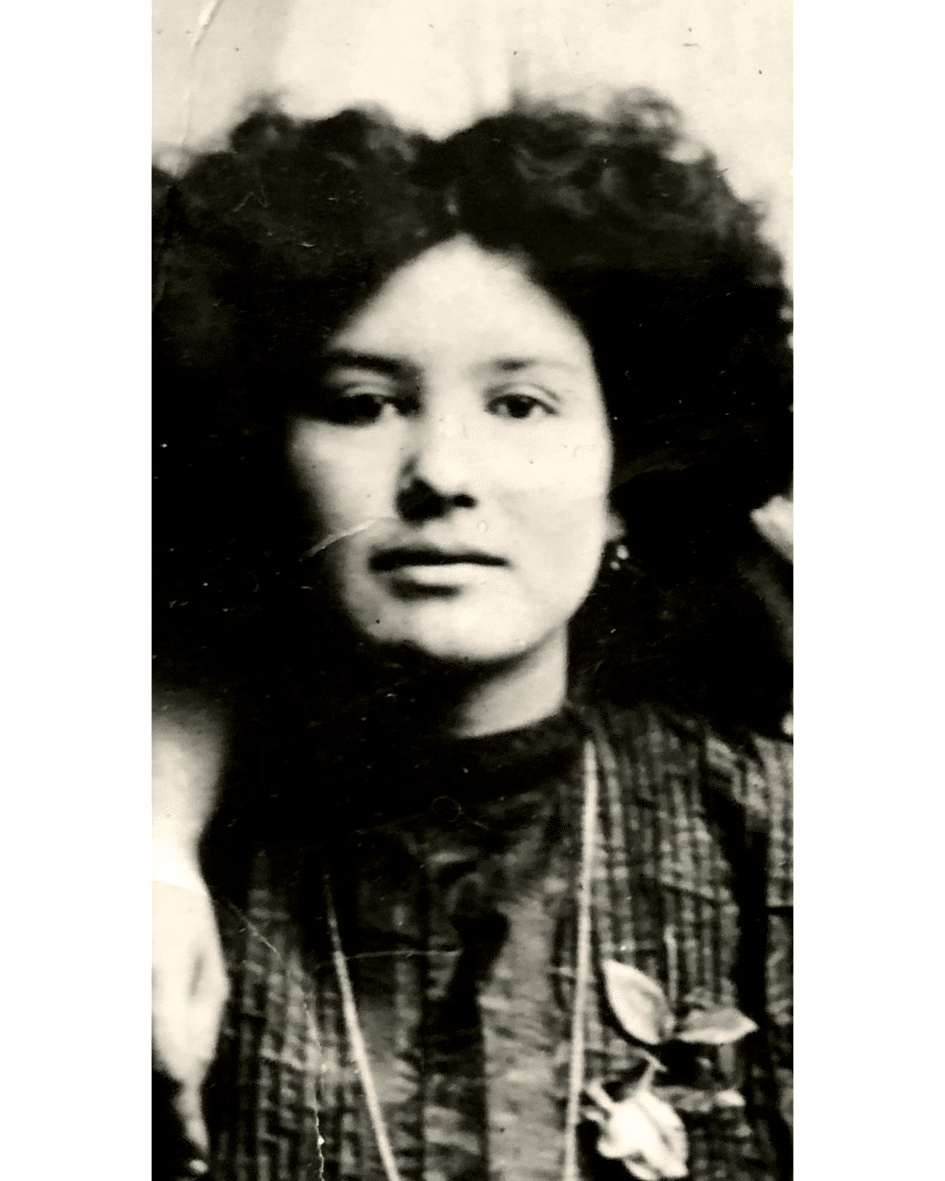
It reflects a young man starting his career in hospitality. A lifelong dream of building something of his own. And a much older story, one that reaches back to 1779, to the first vines planted on Indigenous land.
“It represents a responsibility,” he says. “To always be an authentic, respectful ambassador… as I attempt to correct and reclaim this history for future generations.”
In that glass, past and present meet. And finally, the hands that started it all are being seen.
The story doesn’t end here; it continues in every bottle. Explore Native Hands Wine and be part of reclaiming California’s true winemaking history.